Convenience Store Display Solutions: Maximize Sales per Square Meter | VIGO DISPLAY
Why Convenience Store Displays Differ from Supermarkets
As a factory that has designed and produced display fixtures since 2011 for retailers, supermarkets and brands in more than 120 countries, we have seen one mistake repeat across thousands of small-format projects: treating a convenience store like a small supermarket. The two formats run on opposite physics.
U.S. convenience retail recorded $341.2 billion in in-store sales in 2025, its 23rd consecutive year of growth across 151,975 locations, according to NACS State of the Industry data. Fuel still dominates the top line at 65% of sales dollars, yet it contributes only 38.8% of gross profit. The real money in a c-store is made inside the store, which turns every square meter of the sales floor into a profit center.
The Core Challenges of Convenience Store Merchandising
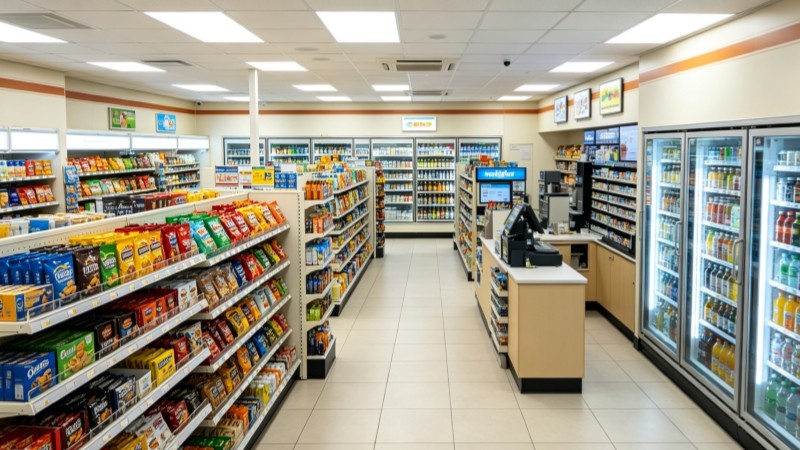
Three pressures make c-store display design fundamentally different from supermarket work. First, space is at a premium: with a footprint often under 2,000 square feet, every shelf, corner and vertical surface must earn its keep, measured in sales per square meter rather than linear footage.
Second, high-frequency restocking: a store completing 1,484 transactions per day and open 24 hours cannot afford fixtures that slow staff down or hide out-of-stocks. Third, loss prevention: with thin staffing and self-checkout becoming standard, high-value impulse items need protection that does not kill the sale.
High-Density Shelving and Hanging Display Systems
Convenience stores rarely have the linear footage to run full gondola runs. High-density fixtures such as wall shelving, compact end caps and vertical merchandising squeeze more sellable facings into the same footprint. The goal is simple: present more SKUs at eye level without widening aisles or slowing the grab-and-go flow.
Hanging Merchandise Strips for Impulse Items
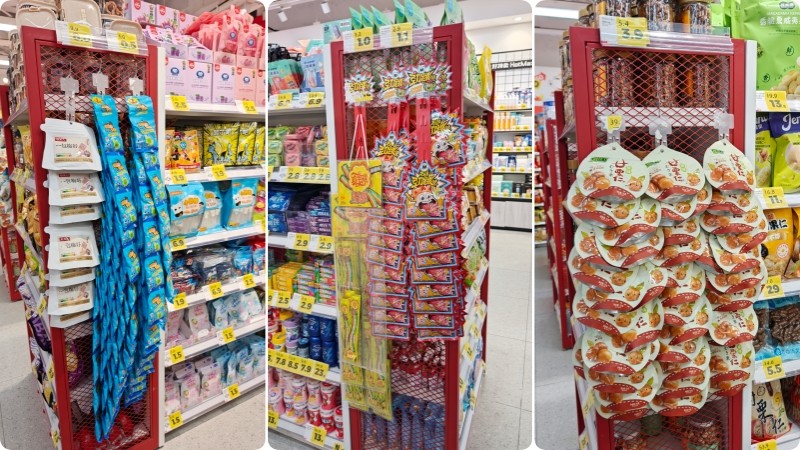
Hanging strips are among the most underrated profit tools in c-store merchandising. Mounted on shelf edges, end caps or the checkout counter, they convert dead vertical space into billboard-quality display for snacks, candy and phone accessories. Because products sit at eye level and within arm's reach, a passing glance becomes an extra unit in the basket. Browse our hanging merchandise strips for strip formats, hole patterns and custom printing options.
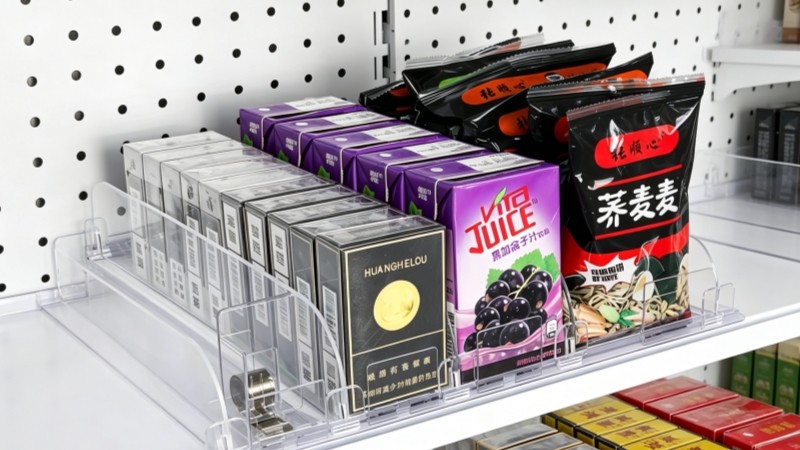
Shelf Dividers and Shelf Pushers for Front-Facing Stock
Nothing signals out of stock faster than a half-empty, disorganized shelf, even when the product is sitting in the back. Research from the Center for Advanced Retail and Technology (CART) found shelf-pusher systems lifted sales by roughly 17%, including a 17.6% year-over-year gain in frozen pizza. Front-facing systems keep every item pulled forward, preserve planogram integrity and cut daily facing labor by 30 to 50%. Pair shelf dividers with shelf pushers to build clean, self-maintaining lanes.
Checkout Counter Displays for Maximum Impulse Sales
The checkout counter is the single highest-value real estate in a convenience store. It is the one place where a captured customer stands still for 30 to 60 seconds with nothing to do but look, which is why beverages, candy, gum, lighters and high-margin accessories live there. Industry research from POPAI has long held that roughly 70% of purchase decisions are made in-store at the point of sale, making the checkout zone the cheapest and fastest sales lever.
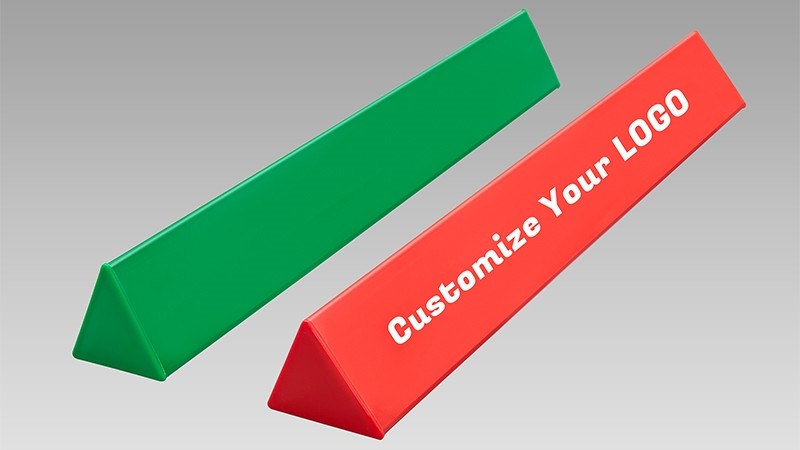
Disciplined, Not Crowded
Effective checkout merchandising keeps the counter clear for payment, uses checkout dividers to separate customer orders, and positions a compact impulse display at arm's reach. The goal is to add one more unit to the basket without slowing the transaction that made the store efficient in the first place.
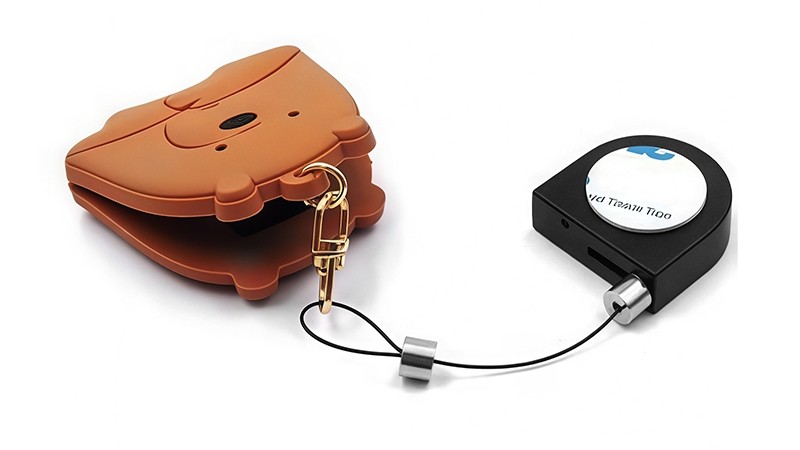
Anti-Theft and Self-Checkout Ready Fixtures
With 24-hour operation, thin staffing and self-checkout lanes becoming standard, loss prevention is a structural concern for convenience retailers. High-value, easy-to-pocket items such as phone accessories, cosmetics and chargers need protection that does not kill the impulse purchase. Anti-theft pull boxes and security hooks secure the product while keeping it visible and reachable, so shoppers can still read the package and grab it themselves.
Budgeting Display Fixtures by Sales per Square Meter
Rather than buying fixtures as a one-off expense, top operators budget them against sales per square meter, the metric that actually moves the P&L in a small-footprint format. Start by mapping your highest-margin categories, foodservice at 38.9% of gross profit and packaged beverages at 18.7% of sales, to the fixtures that best present them. Then allocate budget where a 17% lift is realistic rather than spreading it evenly across the floor.
Key Convenience Store Merchandising Data
| Metric | Value | Source |
|---|---|---|
| U.S. c-store in-store sales (2025) | $341.2 billion | NACS State of the Industry |
| Consecutive years of growth | 23 years | NACS |
| U.S. store count | 151,975 | NACS / NIQ TDLinx |
| Avg. transactions per store per day | 1,484 | NACS |
| Foodservice share of in-store gross profit | 38.9% | NACS |
| Shelf pusher sales lift | About 17% (frozen pizza +17.6%) | CART research |
| Facing labor reduction | 30 to 50% | Industry research |
Frequently Asked Questions
What is the best shelving for a small convenience store?
Wall-mounted, high-density shelving with shelf dividers and hanging strips maximizes facings per square meter without widening aisles.
Do shelf pushers really increase convenience store sales?
Yes. CART research documented a roughly 17% sales lift, with 17.6% in frozen pizza, and front-facing systems consistently reduce facing labor by 30 to 50%.
How do I prevent theft without hurting impulse sales?
Use anti-theft pull boxes and security hooks that keep items visible and self-serviceable, protection without removing the product from the shopper's reach.
Where should I place impulse displays in a c-store?
Prioritize the checkout counter, shelf end caps and the space directly beside the entry path. These are the highest-traffic, highest-attention zones where a captured customer is most likely to add one more unit.
Browse VIGO DISPLAY Convenience Store Solutions
Since 2011, VIGO DISPLAY has designed and produced retail display and merchandising fixtures for stores in more than 120 countries, from a 6,000 square meter factory running dedicated metal, acrylic, wood and plastic production lines. Whether you are opening one corner store or rolling out a 1,000-location chain, we supply the fixtures that convert every square meter into revenue. Explore our convenience store solutions or send an inquiry for a bulk wholesale quote.