Shelf Dividers vs Shelf Pushers: Which One Do You Actually Need?
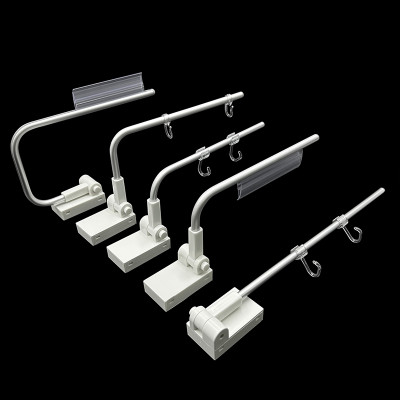
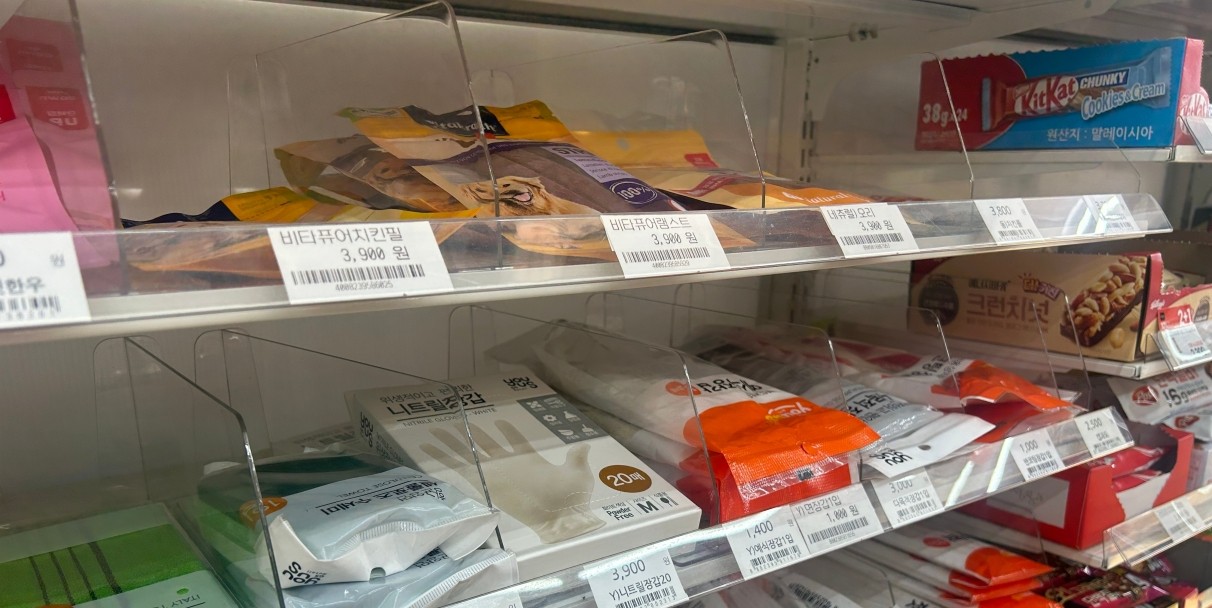
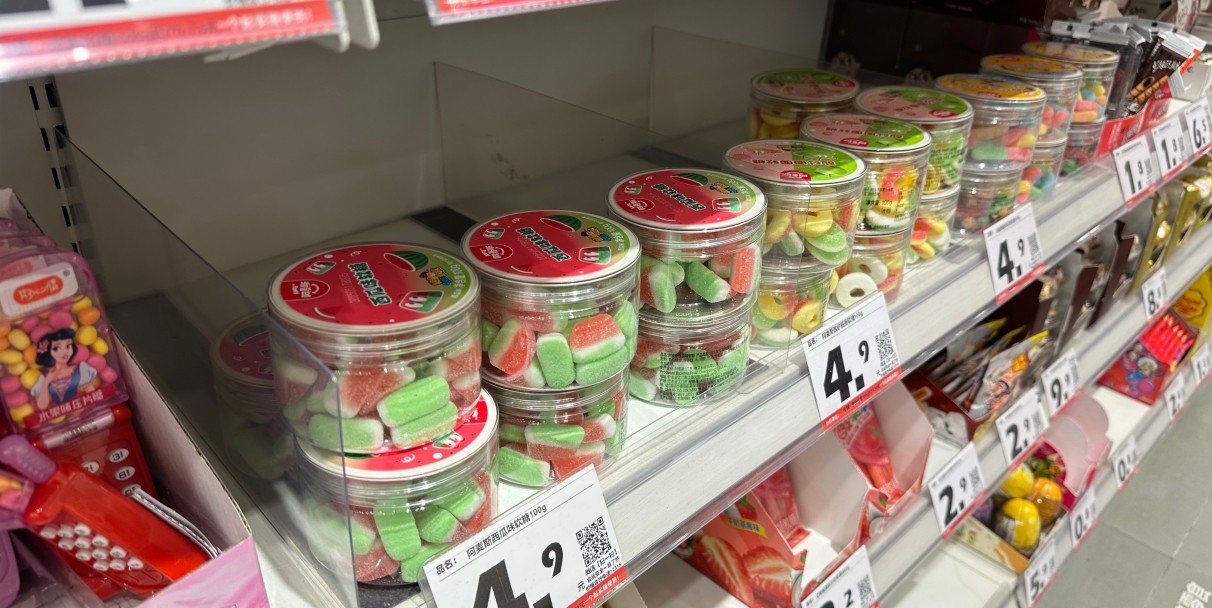
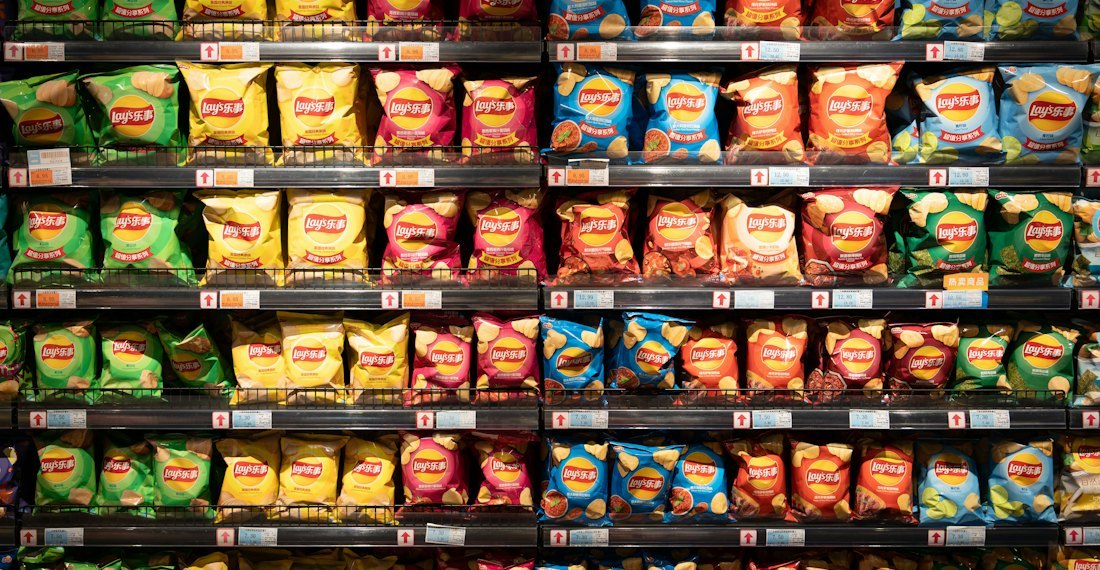
Shelf dividers and shelf pushers are not competing products. They solve problems on two different axes — and the fastest way to waste budget is buying the one that does not match your aisle's actual complaint. Products drift into neighbouring lanes, lean and topple. Fix: shelf dividers. The front row empties while stock sits unreachable at the back. Fix: shelf pushers. Busy beverage and snack lanes need lanes held on both axes. Fix: T-edge divider + pusher — jointly they cut more restocking work than either tool alone. Walk down any busy supermarket aisle and you will notice two kinds of shelf problems happening at the same time. Products drift sideways into neighboring sections, lean against each other and eventually topple over. And even when every lane is perfectly separated, the front row still empties out within minutes, because shoppers keep taking from the front. These are two different problems. One is a sideways problem. The other is a depth problem. That is also the shortest honest answer to the question in this title: shelf dividers solve the sideways problem, shelf pushers solve the depth problem. Everything below is about working out which problem your aisle actually has, how much of each, and when buying both is simply wasted budget. A shelf divider is a thin panel, usually transparent PET or injection-molded plastic, that slides into the front slot of a shelf edge or stands on the shelf surface. It creates physical lanes between product groups so that one SKU cannot creep into the space of another. In our JL product line, divider lengths run from 180 mm to 510 mm, in two standard heights, 60 mm and 120 mm, with three mounting styles: slide-in clip-on, hand-snappable length adjustment, and magnetic bases for metal shelves. A shelf pusher works on a completely different axis. It is a spring-loaded or low-friction sliding carrier mounted on a track. You load the lane from the back, and the pusher keeps moving the frontmost product toward the shopper. When one unit is taken, the next one glides forward automatically, so the shelf keeps a full front-facing appearance with no manual work at all. In short: dividers hold the line left to right, pushers hold the line front to back. A tidy aisle usually needs one of them clearly more than the other, and the comparison below shows how to tell which. Dividers are also the cheaper tool per lane. A divider is a single formed piece of plastic with no moving parts, which is why pharmacies, cosmetics counters and small-pack food aisles run on dividers almost exclusively. Pushers carry a spring, a slider and a track, so they cost more per lane and only reward you where products are picked frequently. Rule of thumb from the floor: if staff complain that products mix and lean, start with dividers. If they complain that shelves look empty by noon, that is a pusher conversation. Dividers on their own are the right call more often than suppliers will tell you. Choose dividers only and skip the pusher budget when most of the following is true: Pushers pay for themselves wherever the front row empties faster than staff can face it. The classic cases: Anything over roughly 400 mm deep hides its own stock. Shoppers will not reach into the back row, so without a pusher the back half of the lane simply stops selling. A closed door turns every gap into an invisible one. Gravity-feed or spring-fed lanes keep the display full between restocks. Beverages, dairy and single-serve snacks in main aisles, where facing labor otherwise happens several times per shift. One caution before you order: spring strength is not universal. Light tension suits chip bags, while heavy glass bottles need noticeably higher tension. A pusher that is too weak stalls halfway; one that is too strong launches the front pack off the shelf. This is the most common pusher complaint we hear, and it is solved at the specification stage, not in the store. In high-traffic aisles the two tools stop competing and start cooperating. A divider creates the lane boundary; a pusher keeps products moving forward inside that lane. The weak point of any combination is the front edge, where sideways pressure and forward push meet. That is exactly what the T-edge profile was designed for. In plenty of aisles you do not have to pick a side, and this is the part most comparison guides skip: dividers and pushers are designed to run together, and the combination normally saves more restocking work than either one alone. The reason is simple. Neither tool can do the other's job, so running only one leaves half the disorder for staff to fix by hand. Run both and a single restocking pass resets the shelf on both axes at once. The trade-off is straightforward: you pay more per lane up front, and you accept a little periodic maintenance on springs and tracks. That cost is easiest to justify exactly where labor is most expensive — busy beverage coolers, chilled dairy, and main-aisle snacks. T-edge dividers such as the JL-30T and JL-31T carry a raised front baffle that restrains products in both directions at once, so the lane keeps its shape even under constant pusher pressure. Standard flat-edge dividers also pair with pusher systems and are the more economical choice for lightweight goods, but the T-edge version is the one we recommend for busy beverage and snack lanes. One exception matters: freestanding L-shaped dividers, which stand on the shelf base rather than clipping into the shelf slot, are not part of a pusher system by design. If you plan to run pushers, choose clip-on dividers from the start. Retrofitting is also realistic. Because all clip-on dividers in a standard slot system share the same front channel as pusher tracks, a store can start with dividers only, watch which lanes justify automation, and add pushers lane by lane. The divider hardware you bought first stays in place. Honesty helps budgets. Some shelves need neither tool: very shallow display ledges above eye level, overstock shelving in the back room, and slow-moving bulky goods such as pet food bags or bottled water multipacks stacked on low shelves. There, the weight and size of the product does the job of a divider, and the pick rate makes facing labor irrelevant. Installing hardware on those shelves is spending, not investment. Yes, and it is often the smartest sequence. Clip-on dividers and pusher tracks share the same front channel, so early divider purchases remain in use when pushers are added lane by lane. All clip-on dividers do. Freestanding L-shaped dividers with flat or magnetic bases are designed to stand on the shelf surface and are not part of a pusher lane. Match tension to the heaviest single pack in the lane, not the average. If a lane mixes weights, raise the tension and test, or split the lane by weight class. Dividers. In small formats the shelves are shallow and pick rates are moderate, so dividers fix most of the visible disorder for the smallest budget. Dividers and pushers are not rival products competing for the same budget line. They answer different problems on different axes. Dividers stop the sideways chaos between SKUs; pushers stop the empty front row between restocks. And where both show up together, running both usually recovers more staff hours than either one alone. Read your own aisles the same way: count the lanes that mix and the lanes that hollow out, then buy for the problem you actually counted. Go deeper: the shelf divider solution guide covers divider types, heights and mounting styles, and the shelf divider category lists current models with dimensions. About the specs in this article. Model references (JL-30T, JL-31T, JL series dimensions) refer to VIGO DISPLAY shelf management products. Photography: Unsplash.
01What Each One Actually Does
02Side-by-Side Comparison
Decision factor Shelf dividers Shelf pushers Problem solved Sideways drift, tipping, SKU mixing Empty front row, hollow-shelf look Direction of control Horizontal, left to right Depth, front to back Moving parts None Spring, slider, track Cost per lane Lower Higher Installation Clip-in, snap-off or magnetic Track mounted, cut to lane width Maintenance Almost none Occasional spring and track checks Typical categories Pharmacy, cosmetics, small packaged food, accessories Beverages, dairy, chilled snacks, high-traffic coolers Fails when Lanes are wider than the SKU Lanes are deep, items heavy, spring tension mismatched 03When Dividers Alone Are Enough
04When a Pusher Earns Its Keep
05Using Both Together: Where T-Edge Comes In

Why using both usually saves more labor than choosing one
06A Three-Question Decision Flow
07When You Need Neither
08Frequently Asked Questions
Can I start with dividers only and add pushers later?
Do all dividers work with pusher systems?
How do I know which spring tension my pushers need?
Which should a small convenience store buy first?