Everything You Should Know About Product Shelf Labels: Types, Design, and Impact
As you navigate the bustling aisles of a retail store, your eyes are constantly drawn to the labels that adorn each product on the shelves. These shelf labels, whether traditional paper or advanced digital displays, are more than mere price tags; they are silent salespersons, brand ambassadors, and vital tools for efficient retail operation. They communicate essential information, influence buying decisions, and play a crucial role in creating a seamless shopping experience.
In this blog, we will explore everything you should know about product shelf labels—from their various types and key components to impactful design strategies. We'll also dive into the revolutionary world of modern shelf labeling and how it is transforming the retail landscape, offering insights into its benefits and what to consider when implementing them.
Unpacking the Essentials: What are Shelf Labels?
Shelf labels are the small but mighty communicators of the retail world. Positioned at the edge of a shelf, these labels provide customers and staff with critical information about the products displayed. From price and product name to barcodes and promotional details, they serve as the primary point of information at the moment of purchase consideration. In a competitive retail environment, a well-designed and accurate shelf label can be the deciding factor for a customer, making it an indispensable element of in-store marketing and operations.
Defining Shelf Labels and Their Purpose
At its core, a shelf label is a tag or display attached to a retail shelf directly in front of the product it describes. Its fundamental purpose is to inform. For consumers, it answers immediate questions: "How much does this cost?", "What is it called?", and "Is this the right size?". For the retailer, its purpose extends into inventory management, pricing strategy execution, and regulatory compliance. The collective function of these labels ensures a smooth, efficient, and transparent shopping environment, bridging the gap between the retailer's complex backend systems and the customer's in-aisle experience.
The Role of Shelf Labels in Retail Operations
Shelf labels are far more than simple price indicators; they are a cornerstone of modern retail operations. Their role is multifaceted, impacting everything from inventory management and pricing accuracy to labor efficiency and supply chain coordination. In a typical retail environment, thousands of price changes can occur weekly. Manually updating paper labels is not only labor-intensive, consuming thousands of hours annually, but also prone to errors that can lead to pricing discrepancies and customer dissatisfaction.
The integration of technology, such as barcodes, QR codes, and digital displays, has transformed shelf labels into powerful data-driven tools. Barcode labels are crucial for inventory management, allowing for easy scanning that expedites checkout, tracks product movement, and reduces human error. This level of accuracy is essential for maintaining optimal stock levels, preventing out-of-stock situations, and streamlining the reordering process. Furthermore, by connecting with backend systems like ERP and POS, shelf labels ensure that pricing is consistent across both physical and digital sales channels, which is a key expectation for today's omnichannel shoppers. This coordination improves overall operational efficiency, freeing up employees from tedious tasks like manual price updates to focus on higher-value activities such as customer service and merchandising.
Benefits of Effective Shelf Labeling
Effective shelf labeling delivers a powerful return on investment by enhancing the customer experience, boosting sales, and streamlining operations. The benefits ripple across the entire retail ecosystem, from the sales floor to the supply chain.
Improved Customer Experience and Trust: Clear, accurate, and easy-to-read shelf labels are fundamental to a positive shopping experience. They eliminate customer frustration by providing essential information at a glance, allowing shoppers to make informed and confident purchasing decisions. When the price at the shelf matches the price at the register, it builds consumer trust and loyalty. Well-organized labels also help customers quickly find what they need, saving them time and reducing friction in their shopping journey.
Increased Sales and Revenue: Strategically designed shelf labels do more than inform; they actively drive sales. By highlighting promotions, new items, or special offers, they can capture a shopper's attention and encourage impulse purchases. Color-coded labels for sales or special categories (like organic or gluten-free) can guide customer choices and make it easier for them to take advantage of deals. This direct communication at the point of sale is a critical tool for increasing basket size and overall store revenue.
Enhanced Operational Efficiency: The operational benefits of a well-executed labeling system are immense. Accurate labels are crucial for efficient inventory management, helping staff monitor stock levels, reduce picking errors, and streamline restocking. This leads to fewer out-of-stock situations and minimizes overstocking, directly impacting the bottom line. Automating price changes with modern systems frees up employee time from tedious manual updates, allowing them to focus on more valuable, customer-facing activities. In large stores, this can save thousands of labor hours annually.
Data-Driven Merchandising: Modern shelf labeling systems provide valuable data that can inform merchandising strategies. By tracking how different products or promotions perform, retailers can gain insights into consumer behavior. This allows for more effective product placement and promotional planning, ensuring that high-demand items are visible and that marketing efforts are maximized for impact.
Core Components of Every Shelf Label
While shelf labels can vary dramatically in complexity and design, they are all built upon a foundation of core components. These elements serve the primary function of communicating essential product information clearly and efficiently. Understanding these components is the first step in designing labels that are not only informative but also effective as a marketing and operational tool.
Essential Information Displayed on Shelf Labels
No matter the format, every shelf label must convey a specific set of essential information to be effective. This data serves both the customer making a purchase decision and the retail staff managing the store.
Product Name/Description: This is the most basic identifier. It should clearly and concisely state what the product is. For products with variations (e.g., flavors, scents, sizes), this description becomes even more critical.
Price: The selling price is arguably the most-watched piece of information on any label. It must be prominent, legible, and accurate to ensure customer trust and comply with pricing regulations. Misleading or unclear pricing is a quick way to create frustration and lose a sale.
Unit Price: In many regions and for many product types (especially groceries), displaying a unit price (e.g., price per ounce, per pound, per 100 count) is a legal requirement. It is also a powerful tool for consumers, allowing them to make true value comparisons between different package sizes and brands.
Barcode/SKU (Stock Keeping Unit): This is a critical component for retail operations. The barcode allows for quick scanning at checkout and for inventory management tasks like cycle counts and restocking. The SKU is a unique internal identifier that helps track every single item within the retailer's system.
Regulatory Information: Depending on the product and location, labels may be required to display specific information, such as warnings, country of origin, or whether an item is eligible for government assistance programs.
This combination of data creates a transparent shopping environment for the customer and a highly efficient operational backbone for the retailer.
Additional Elements for Enhanced Shelf Labels
Beyond the basics, enhanced shelf labels can incorporate a wealth of additional information and features to improve the shopping experience, drive engagement, and provide valuable data for retailers. These elements transform the label from a static information source into an interactive touchpoint.
Promotional Information: This is one of the most common enhancements. Calling out "Sale," "New," "Clearance," or "BOGO" (Buy One, Get One) directly on the label is highly effective at drawing customer attention and driving purchasing decisions.
Product Attributes: Icons or text can quickly communicate key product features like "Organic," "Gluten-Free," "Vegan," or "Locally Sourced." This helps shoppers with specific dietary needs or preferences identify suitable products without having to inspect each package closely.
Stock Information: Advanced digital labels can display real-time stock levels, both on the shelf and in the backroom. For out-of-stock items, they can even show the next expected delivery date, managing customer expectations and potentially saving a future sale.
QR Codes and NFC Tags: These technologies bridge the gap between the physical shelf and the digital world.
- QR Codes: Scannable with any smartphone camera, QR codes can link customers to a huge range of content, such as detailed product pages, instructional videos, recipes, customer reviews, or even the ability to add the item to a digital cart.
- NFC (Near Field Communication) Tags: These embedded chips allow for a "tap-to-interact" experience. Tapping an NFC-enabled smartphone to the label can provide instant access to similar content as a QR code, offer personalized promotions, or even facilitate direct payment at the shelf.
Flashing LED Lights: A feature of many digital shelf labels, small LED lights can be programmed to flash for various purposes. Staff can activate them to quickly locate items for restocking ("Stock-to-Light") or for fulfilling online orders ("Pick-to-Light"), dramatically increasing operational speed and accuracy.
These enhancements turn the shelf edge into a dynamic and interactive zone, enriching the customer journey and streamlining store operations simultaneously.
Exploring the Diverse Types of Product Shelf Labels
The world of shelf labels is surprisingly diverse, with different types suited to various products, retail environments, and operational needs. From the traditional, time-tested paper labels to the futuristic digital displays that are redefining retail, the choice of label can significantly impact efficiency, customer engagement, and a store's bottom line. Understanding this spectrum is key to developing an effective shelf-edge strategy.
Traditional Shelf Labels: Barcodes and QR Codes
For decades, traditional labels have been the workhorses of the retail industry. Based primarily on printed information, these labels are cost-effective and familiar to every shopper. Their evolution to include machine-readable codes like barcodes and QR codes marked a significant leap in functionality, laying the groundwork for modern retail automation.
Barcode Shelf Labels: Functionality and Use Cases
The simple barcode, that series of black and white stripes, revolutionized retail by creating a machine-readable format for product information. Including a barcode on a shelf label links the physical product to the store's digital inventory and sales systems.
Functionality: A barcode is a visual representation of data. When scanned, it instantly provides a scanner with a unique product identifier (like a UPC or SKU). This simple action is the key to a vast array of retail functions. Barcode labels are crucial for inventory management, customer convenience, and pricing accuracy.
Use Cases:
- Point of Sale (POS): At checkout, scanning the barcode on a product brings up its price and adds it to the transaction, speeding up the process and minimizing keying errors.
- Inventory Management: For staff, scanning the barcode on the shelf label is essential for cycle counts, stock checks, and reordering. It ensures accuracy by eliminating manual data entry. It allows employees to look up product information quickly and helps maintain precise inventory records.
- Restocking: Warehouse and store staff can scan barcodes on shelves or products to verify they are placing the correct item in the correct location, ensuring planogram compliance and an organized sales floor.
- Price Verification: Employees can use mobile scanners to check that the price displayed on the shelf label matches the price in the central system, ensuring price integrity throughout the store.
While simple, the barcode remains a fundamental and highly effective tool in retail operations, providing a reliable and low-cost way to automate data capture.
QR Code Shelf Labels: Versatility and Information Access
The Quick Response (QR) code takes the data-linking capability of a barcode and expands it exponentially. While a barcode holds a simple identifier, a QR code can store thousands of characters of text, most commonly a URL to a website. This ability to bridge the physical shelf with the vast resources of the internet makes QR codes incredibly versatile.
Versatility: The power of a QR code on a shelf label lies in its ability to offer a nearly limitless amount of information in a compact, scannable format. Modern smartphones have built-in QR readers in their cameras, making this technology highly accessible to shoppers. Because they can link to any online content, retailers can create dynamic, engaging experiences that go far beyond a simple price tag. Even better, dynamic QR codes allow the destination link to be updated without needing to reprint the label, offering flexibility for changing campaigns and information.
Information Access and Use Cases:
- Enhanced Product Details: A scan can lead to a detailed product page showing ingredients, nutritional information, sourcing details, and sustainability credentials. This transparency helps build trust with consumers.
- Customer Reviews and Ratings: Linking to a page with customer reviews allows shoppers to see peer feedback right at the point of decision, which can be highly influential.
- Video Content: A QR code can launch a video demonstrating how to use a product, a recipe featuring a food item, or a brand story, creating a much richer and more engaging experience.
- Promotions and Loyalty: Codes can be used to deliver digital coupons, sign customers up for loyalty programs, or provide access to exclusive in-store offers.
- "Extend the Aisle": For items that are out of stock, a QR code can link to the product's online page, allowing the customer to order it for home delivery, thus saving the sale.
- Data Analytics: Retailers can track how often QR codes are scanned, providing valuable data on which products are generating the most interest and how effective their in-store marketing efforts are.
By integrating QR codes, retailers transform static shelf labels into interactive portals, empowering customers with information and creating a more connected, data-rich shopping environment.
Advanced Shelf Labels: RFID Technology
Moving beyond visually scanned codes, RFID (Radio-Frequency Identification) technology represents another leap in shelf labeling. By using radio waves to communicate, RFID labels don't require line-of-sight to be read, opening up new possibilities for automation and efficiency, especially in inventory management. These labels contain a small microchip and an antenna, which can be read by a handheld or fixed scanner from a distance.
Understanding RFID Shelf Labels and Their Advantages
RFID technology uses radio waves for automatic identification and data capture. An RFID system has three main components: an RFID tag, an RFID reader, and a back-end software system. The tag, which can be a simple inlay inside a paper label or a more durable hard tag, contains a microchip that stores a unique identifier for the product it's attached to. When an RFID reader emits radio signals, the tag is energized and transmits its data back to the reader.
Unlike barcodes, RFID has several distinct advantages that make it a powerful tool, particularly for inventory-intensive retail environments.
- No Line-of-Sight Required: The most significant advantage of RFID is that tags do not need to be seen to be read. An RFID reader can identify tags through packaging, inside boxes, and from a distance, making data capture incredibly fast and efficient.
- Simultaneous Reading: An RFID reader can scan hundreds of tags simultaneously in seconds. A staff member can wave a handheld reader across a shelf or an entire rack of clothing and capture the data from every item almost instantly, a process that would take many minutes with a barcode scanner.
- Real-Time Inventory Visibility: When combined with fixed readers placed strategically throughout a store (such as on "smart shelves" or at doorways), RFID provides a continuous, real-time view of inventory. The system always knows exactly what products are on the sales floor, in the backroom, or moving between the two. This capability can increase inventory accuracy to over 99%.
- Enhanced Security: RFID tags are a powerful tool for loss prevention. Readers at store exits can detect if an item with an unpaid tag is leaving the store, triggering an alarm. This helps reduce shrinkage from theft.
- Improved Supply Chain Transparency: RFID tracking can begin at the point of manufacturing, providing complete visibility of a product's journey from the factory to the sales floor. This helps identify bottlenecks and improve overall supply chain efficiency.
By automating data collection on a massive scale, RFID systems dramatically reduce human error, save significant labor costs, and provide an unprecedented level of accuracy in inventory management. This leads to better stock availability for customers and more efficient store operations.
Limitations and Ideal Applications for RFID Shelf Labels
Despite its significant advantages, RFID technology is not a one-size-fits-all solution. Its adoption involves specific challenges and costs that make it better suited for certain applications over others.
Limitations of RFID:
- Cost: The primary barrier to widespread RFID adoption is cost. Individual RFID tags, though cheaper than ever, are still significantly more expensive than printed barcodes. Furthermore, the implementation requires a substantial initial investment in readers, software, system integration, and staff training. For many small to medium-sized businesses, this initial outlay can be prohibitive.
- Signal Interference: RFID technology uses radio waves, which can be susceptible to interference from certain materials. Liquids and metals are particularly challenging, as they can absorb or reflect radio signals, preventing the tags from being read accurately. This requires careful planning and potentially specialized tags or reader placement in environments where these materials are common.
- Implementation Complexity: Integrating an RFID system with a retailer's existing legacy systems, such as POS and ERP software, can be a complex technical challenge. It often involves significant customization and process changes to fully leverage the technology's capabilities.
- Data Collision: In environments with a very high density of tags, an issue known as "reader collision" (signals from two readers overlap) or "tag collision" (too many tags respond at once) can occur, potentially leading to inaccurate reads. Advanced anti-collision protocols are needed to manage this and ensure every tag is read correctly.
Ideal Applications: Given these factors, RFID is most effective and provides the quickest return on investment in specific retail scenarios:
- High-Value Goods: For electronics, jewelry, and luxury apparel, the cost of an individual RFID tag is negligible compared to the value of the item. Here, RFID provides excellent loss prevention and inventory tracking.
- Apparel and Footwear: The clothing industry has been a major adopter of RFID. The ability to quickly count large volumes of items (e.g., a whole rack of shirts) of different sizes and colors makes inventory management dramatically more efficient. This is crucial for maintaining stock accuracy in a fast-fashion environment.
- Supply Chain and Logistics: The non-line-of-sight reading capability is ideal for warehouse and distribution centers. Entire pallets of goods can be scanned as they pass through dock doors, automating shipping and receiving verification and providing end-to-end supply chain visibility.
- Asset Tracking: Beyond products for sale, RFID is excellent for tracking valuable internal assets like equipment, reusable transport items (pallets, totes), and tools within a large facility.
- Access Control: RFID cards and badges are widely used for granting and tracking employee access to secure areas.
For these applications, the benefits of enhanced accuracy, labor savings, and loss prevention often outweigh the initial costs and complexities of implementation.
Digital Shelf Labels (ESLs): The Future of Retail
Digital Shelf Labels, also known as Electronic Shelf Labels (ESLs), represent the cutting edge of in-store pricing and information technology. These are not static printed labels but small, battery-powered digital screens that display product information. Connected wirelessly to a central server, they allow retailers to change prices and other data across an entire store—or an entire chain of stores—with just a few clicks, making them a transformative tool for modern retail.
How ESLs are Revolutionizing Shelf Labels
ESLs are revolutionizing retail by replacing slow, manual, and error-prone paper-based systems with a fast, accurate, and dynamic solution. This shift is fundamentally changing store operations and the customer experience.
- Agile and Dynamic Pricing: The most profound impact of ESLs is the ability to implement dynamic pricing. Retailers can change prices across thousands of labels in minutes to respond to competitor pricing, run flash sales, adjust for demand, or clear out inventory nearing its expiration date. This gives brick-and-mortar stores a level of pricing agility that was previously only possible in e-commerce.
- Operational Efficiency and Labor Savings: ESLs eliminate the incredibly time-consuming task of manually printing, cutting, and replacing paper price tags. This automation translates into massive labor savings, with one study noting that a price change taking an associate two days can be done in minutes with an ESL system. This frees up store staff to focus on more valuable activities like serving customers, merchandising, and maintaining store standards.
- Guaranteed Pricing Accuracy: ESLs ensure that the price displayed at the shelf is always synchronized with the point-of-sale (POS) system. This eliminates pricing discrepancies, a major source of customer frustration and potential legal compliance issues. This accuracy builds trust and creates a smoother checkout experience.
- Enhanced Information Display: Digital screens can display more than just a price. They can show promotional details, stock levels, product ratings, QR codes, and even logos or small images, providing a richer set of information directly at the point of decision.
- Sustainability: By eliminating the need for paper labels, ink, and printers, ESLs significantly reduce a store's operational waste and environmental footprint. This contributes to corporate sustainability goals and appeals to eco-conscious consumers.
The move to ESLs represents a major step in the digitization of physical retail stores, turning the shelf edge into a strategic, data-driven asset. The global market for ESLs is projected to grow significantly, with major retailers like Walmart rolling them out to thousands of stores, signaling a major industry shift.
Benefits of Implementing ESL Shelf Labels
Implementing Electronic Shelf Labels (ESLs) provides a host of tangible benefits that directly impact a retailer's efficiency, profitability, and customer relationships. The move away from paper is more than just a technological upgrade; it's a strategic business decision.
- Significant Cost Savings: ESLs drastically reduce operational costs in several key areas. The most immediate saving comes from reduced labor, as employees no longer need to spend hours on the manual, repetitive task of changing paper price tags. This can represent savings of thousands of dollars per store annually. Additionally, costs associated with paper, ink, and printer maintenance are completely eliminated.
- Increased Profitability and Pricing Agility: The ability to implement dynamic pricing allows retailers to maximize margins. Prices can be adjusted in real-time to match online competitors, react to market demand, or reduce prices on items near expiration to minimize waste and recover costs. Instant price updates and timely promotions help drive higher sales and give retailers a powerful tool to protect margins.
- Enhanced Customer Experience and Satisfaction: ESLs ensure pricing is always accurate and consistent between the shelf and the checkout, eliminating a major point of customer friction and building trust. The clear, high-contrast digital displays are easy to read and can provide more information—such as promotions, stock levels, or technical specs—helping customers make better-informed decisions. Surveys have shown a customer preference for stores using ESLs due to the increased information available.
- Improved Inventory and Operations Management: Integration with inventory systems provides real-time stock visibility at the shelf edge. This helps prevent out-of-stock situations and ensures shelves are replenished efficiently. Features like "Pick-to-Light," where an LED on the label flashes, can increase the speed and accuracy of picking online orders by up to 50%.
- Centralized Control and Consistency: Store managers or headquarters can control pricing and promotions across an entire chain of stores from a central computer. This ensures consistency in marketing campaigns and pricing strategy, simplifying management and guaranteeing uniform execution.
- Sustainability: By eliminating the waste generated by paper labels, retailers can significantly reduce their environmental footprint. This is an increasingly important factor for both corporate responsibility initiatives and for appealing to environmentally conscious consumers.
Collectively, these benefits position ESLs as a foundational technology for the modern, efficient, and customer-centric retail store.
Types of Digital Shelf Labels: E-Paper, LCD, and LED Displays
Digital shelf labels come in several display technologies, each with its own advantages and best-use cases. The choice of display often depends on the retailer's specific needs regarding content, power consumption, and budget.
E-Paper (Electronic Paper or E-Ink): This is the most widely used technology for ESLs. E-paper mimics the appearance of traditional ink on paper, offering a high-contrast, matte display that is easy to read in various lighting conditions, including direct sunlight.
- Key Features: Its most significant advantage is its ultra-low power consumption. E-paper displays are "bi-stable," meaning they only consume power when the image is being updated. To maintain a static image, they require no electricity at all. This allows their small batteries to last for five to ten years, minimizing maintenance. Most e-paper labels offer black and white displays, with many also supporting a third color like red or yellow to highlight promotions. Full-color e-paper is an emerging, more expensive option.
- Best For: E-paper is the go-to choice for most standard retail environments like supermarkets, pharmacies, and hardware stores where clear price and product information is the priority. Its long battery life and excellent readability make it a practical and cost-effective solution for large-scale deployments.
LCD (Liquid Crystal Display): This is the same technology found in many computer monitors and smartphones. LCD-based ESLs offer more dynamic capabilities than e-paper.
- Key Features: LCD screens can display vibrant, full-color graphics, animations, and even video content. This makes them highly effective for eye-catching advertisements and promotions. However, they require a constant power supply to maintain the display, making them significantly less energy-efficient than e-paper. They are often externally powered rather than relying on long-life batteries.
- Best For: LCD labels are ideal for high-margin product categories where dynamic advertising can drive sales, such as electronics, cosmetics, or fashion stores. They excel at grabbing customer attention and displaying rich, detailed content, but their higher power consumption and cost make them less suitable for store-wide implementation.
LED (Light Emitting Diode): LED displays are known for their brightness and high visibility. While less common for individual product labels, they are often used for larger shelf-edge displays or promotional signage.
- Key Features: LED screens are extremely bright and bold, making them impossible to miss. They are perfect for high-impact advertising in high-traffic areas. Like LCDs, they can display full-color video but are even more power-intensive. The pixel resolution on many LED shelf strips may be too low to render small text or a scannable QR code clearly.
- Best For: LED displays are best used strategically for end-cap promotions, in-store event advertising, or in areas where a retailer wants to create a strong visual impact. Their primary function is advertisement rather than displaying detailed product information for every item on a shelf.
Categorizing Shelf Labels by Purpose
Beyond the technology they use, shelf labels can also be categorized by their primary strategic purpose. A label isn't just a label; it's a communication tool designed to elicit a specific response from the shopper. By designing labels with a clear objective in mind—whether it's to build a brand, provide deep information, or drive a quick sale—retailers can make their shelf-edge strategy much more effective.
Brand-Focused Shelf Labels
A brand-focused shelf label, often taking the form of a "shelf talker," "wobbler," or custom-designed tag, serves as a miniature billboard at the point of purchase. Its primary goal is not just to state a price, but to reinforce the brand's identity, communicate its unique value proposition, and make it stand out in a crowded aisle.
These labels are a powerful tool because they capture shoppers' attention at the critical moment of decision. A well-designed brand-focused label can disrupt a customer's routine shopping habits and draw their eye to a specific product. The key is to create a design that instantly communicates the brand's personality—be it premium, playful, health-conscious, or traditional.
Effective brand-focused labels achieve this by:
- Reinforcing Brand Identity: They consistently use the brand's logo, colors, and typography to build recognition and trust. This consistency helps shoppers quickly identify a brand they already know or form a memorable first impression of a new one.
- Highlighting Key Differentiators: The limited space on a shelf talker is used to convey the most compelling reasons to buy. This could be a message about unique ingredients, an award the product has won, its eco-friendly attributes, or its origin story.
- Creating Emotional Connection: Through compelling imagery and carefully chosen words, these labels aim to connect with the shopper on an emotional level, telling a brand story that resonates with the target audience's values and aspirations.
- Breaking Visual Clutter: In a sea of rectangular price tags, a uniquely shaped, brightly colored, or moving "wobbler" can effectively break the visual monotony of the shelf, guiding the customer's eye directly to the product.
By going beyond simple information delivery, brand-focused shelf labels help turn a functional shopping trip into a brand experience, fostering loyalty and driving impulse purchases.
Informative and Descriptive Shelf Labels
While promotional labels focus on creating desire, informative and descriptive labels focus on satisfying a customer's need for knowledge. Today's shoppers are more discerning than ever, seeking detailed information about the products they buy. These labels serve to educate the consumer at the shelf edge, building trust through transparency and helping them make confident, well-informed purchasing decisions.
The core purpose of these labels is to provide clarity and answer the detailed questions a shopper might have, especially for products with complex features or specific attributes. They are particularly vital in categories like:
- Food and Beverage: Here, descriptive labels go beyond price to include nutritional facts, full ingredient lists, allergen warnings (e.g., "Contains Nuts," "Dairy-Free"), and certifications ("Organic," "Non-GMO," "Fair Trade"). This information is crucial for consumers with dietary restrictions, health goals, or ethical considerations.
- Electronics: For tech gadgets, labels can display key specifications such as storage capacity, battery life, processor speed, or compatibility. This helps customers compare models without needing to find a sales associate or search for information on their phone.
- Health and Beauty: In this sector, labels can highlight key active ingredients, benefits ("hydrating," "anti-aging"), and attributes like "cruelty-free" or "paraben-free," which heavily influence purchasing decisions.
- Wine and Spirits: Descriptive shelf talkers in a wine shop are invaluable. They can provide tasting notes, food pairing suggestions, critic ratings, and information about the winery or region, helping to demystify a complex category for many shoppers.
By effectively providing this layer of detail, informative labels empower customers, reduce purchase friction, and position the retailer as a knowledgeable and trustworthy source. This is especially true when digital tools like QR codes are integrated, allowing for an even deeper dive into product details.
Grade and Promotional Shelf Labels
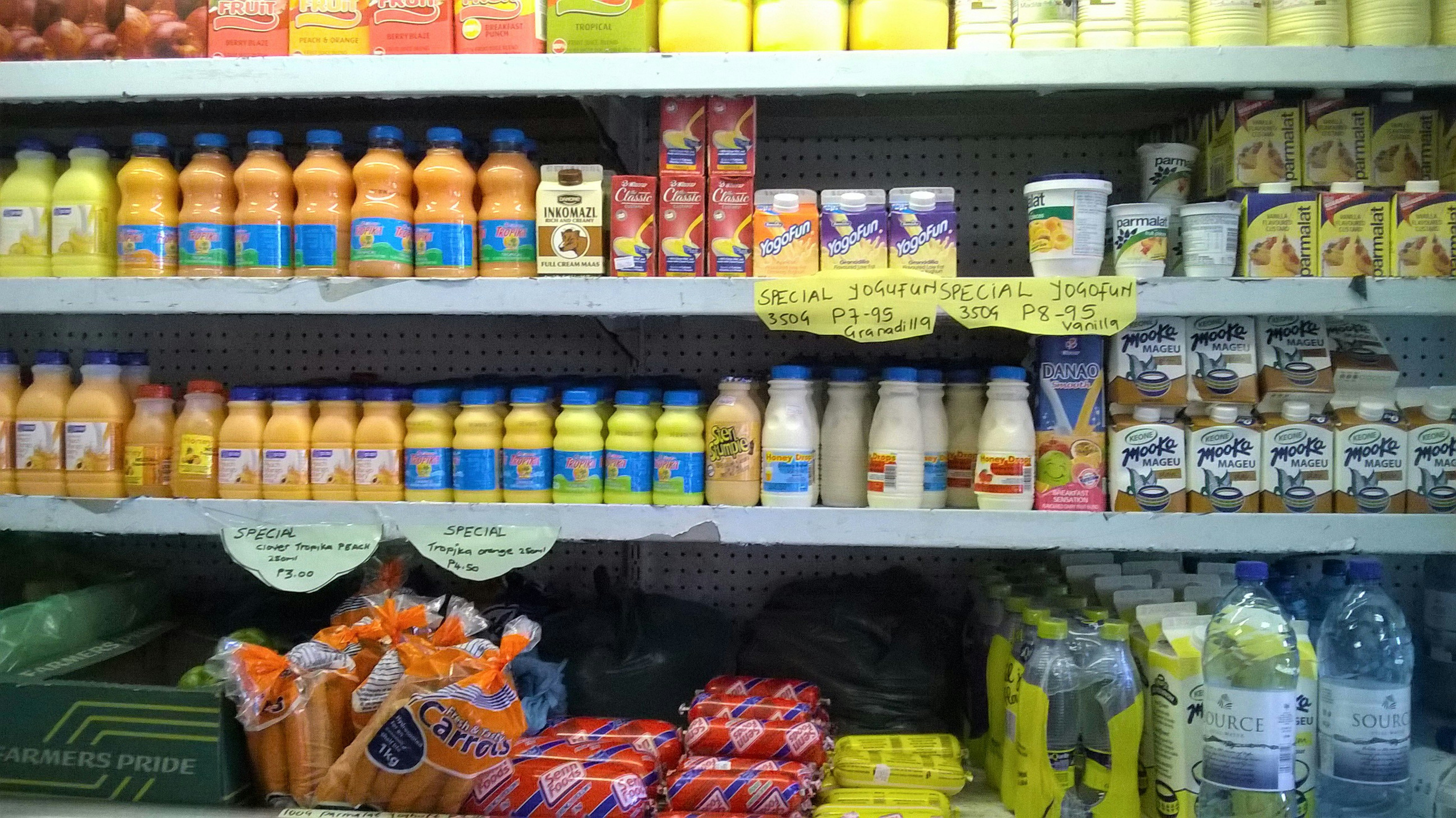
This category of shelf labels has one clear objective: to drive immediate sales. Often taking the form of brightly colored tags, shelf talkers, or wobblers, their sole purpose is to grab the customer's attention and communicate a compelling reason to buy now. They are a core tool in retail advertising, proven to influence impulse purchases and boost sales of specific items.
These labels work by creating a sense of value or urgency. Common tactics include:
- Highlighting Discounts: Using bold, vibrant colors—often red or yellow—to scream "Sale," "Clearance," "Was/Now Pricing," or "20% Off." This is the most direct way to signal a bargain.
- Announcing Special Offers: Communicating deals like "Buy One, Get One Free" (BOGO), "2 for $5," or "Limited-Time Offer" incites action by framing the purchase as a particularly good opportunity.
- Introducing New Products: A "New Item" tag can break a customer out of their routine purchasing habits and encourage them to try something different.
- Designating Product Grades or Tiers: Sometimes promotional labels serve to grade products, such as "Good," "Better," "Best" tiers for store-brand items, or a "Staff Pick" sign in a wine shop. This helps guide consumer choice by offering a quick quality comparison.
The design of these labels is critical. They must be eye-catching enough to disrupt the visual line of the shelf and deliver their message in seconds. Concise wording, large fonts, and strong color contrast are essential. Because up to 76% of purchasing decisions are made at the shelf, a well-executed promotional label can be the deciding factor that moves a product from the shelf into the shopping cart.
Crafting Impactful Shelf Labels: Design Strategies and Consumer Psychology
Creating a shelf label that truly performs requires more than just listing the price and product name. It's an exercise in communication design, blending artistry with science. Impactful labels are strategically crafted to capture attention, convey information effortlessly, and subtly influence purchasing behavior. This involves understanding the psychological triggers that guide consumer choices and applying key design principles to create a label that stands out in a visually crowded environment.
The Psychology Behind Effective Shelf Label Design
The shelf edge is a battlefield for consumer attention. In the few seconds a shopper spends scanning a product category, the brain processes a huge amount of visual information. Effective shelf label design leverages principles of consumer psychology to win this battle, using visual cues and emotional triggers to make a product more appealing and guide the decision-making process.
Visual Cues and Emotional Triggers in Shelf Labels
Visual cues and emotional triggers are the subtle, nonverbal communicators in shelf label design. They tap into our subconscious to shape perceptions and provoke feelings long before we consciously process the text. Skilled designers use color, typography, and imagery to tell a story and create a specific mood around a product.
Color Psychology: Color is the first thing a shopper notices and it has a direct line to emotion. Brands strategically use color to evoke specific feelings and associations:
- Red: Creates a sense of urgency, excitement, and appetite. It's often used for clearance sales, promotions, and snack foods to encourage impulse buys.
- Blue: Conveys trust, calmness, and reliability. This makes it a popular choice for pharmaceuticals, tech products, and financial services, where credibility is paramount.
- Green: Is strongly linked to nature, health, and sustainability. It's the go-to color for organic, natural, and eco-friendly products.
- Black, Gold, and Silver: Signal luxury, sophistication, and premium quality. These colors are frequently used for high-end cosmetics, gourmet foods, and spirits.
- Yellow and Orange: Evoke feelings of fun, optimism, and affordability, making them great for drawing attention to playful or budget-friendly items.
Typography and Imagery: The style of the lettering and any accompanying images or icons also sends powerful emotional signals.
- Typography: The choice of font communicates a brand's personality. Serif fonts (like Times New Roman) feel traditional, trustworthy, and formal. Sans-serif fonts (like Helvetica) appear modern, clean, and straightforward. Script fonts can suggest elegance, creativity, or a personal touch. The weight and style of the font matter too; bold fonts convey strength, while lighter fonts can feel more delicate.
- Imagery: Pictures of fresh ingredients can make a food product seem more wholesome. An image of a serene landscape on a tea box can trigger feelings of calm. Icons are a form of visual shorthand, quickly communicating attributes like "recyclable," "gluten-free," or "award-winning."
By carefully combining these elements, a shelf label can trigger positive emotions and create a perception of value, quality, or excitement that aligns with the brand's goals, all within the split second a shopper's eyes pass over the shelf.
How Shelf Labels Influence Purchasing Decisions
Shelf labels are a critical touchpoint in the consumer's path to purchase, acting as a silent salesperson at the exact moment a decision is being made. Studies show that a significant majority of purchasing decisions—over 70% in many cases—are made in-store, right at the shelf. The information and visual cues presented on a label can therefore have a profound impact on what ends up in the shopping cart.
Here’s how shelf labels exert their influence:
- Shaping Price Perception: The way a price is displayed significantly affects how consumers perceive its value. Strategies like charm pricing (ending a price in .99), showing a "Was/Now" price to highlight a discount, or bundling items can make a price seem more attractive. A higher price can also signal higher quality to some consumers. The label is the primary vehicle for communicating this perceived value.
- Creating Urgency and Scarcity: Promotional labels that shout "Limited-Time Offer," "While Supplies Last," or "Sale" trigger a sense of urgency. This encourages impulse purchases by tapping into the fear of missing out on a good deal. The visual emphasis on these messages on the shelf is key to their effectiveness.
- Building Trust Through Transparency: In an age where consumers demand authenticity, informative labels that clearly display ingredients, nutritional facts, sourcing information, or certifications (like "Organic" or "Fair Trade") build trust. This transparency helps shoppers make choices that align with their personal values and health goals, fostering loyalty to brands and retailers who provide it.
- Simplifying Choice and Reducing Friction: In crowded and confusing product categories, a good descriptive label can be a welcome guide. A "Staff Pick" label on a wine shelf or a label clearly comparing the key features of two similar electronics can simplify the decision-making process, making the shopper feel more confident in their choice and improving their overall experience.
- Drawing Attention and Disrupting Habits: In a visually noisy aisle, a well-designed, eye-catching shelf tag can break a shopper out of their routine. Unique shapes, bold colors, or motion can draw attention to a new product or a special promotion that the customer might have otherwise overlooked, leading to trial and potential new brand loyalties.
Ultimately, the shelf label is the final piece of marketing a consumer sees before making a choice. Its ability to communicate price, value, trust, and urgency makes it one of the most influential factors in the in-store purchasing decision.
Key Design Principles for Standout Shelf Labels
To be effective, a shelf label must achieve two primary goals: capture attention and communicate clearly. In the fast-paced retail environment, there are only a few seconds to make an impression. This requires a thoughtful approach to design, focusing on core principles that ensure the label is not only seen but also understood. Legibility, visual appeal, and material quality all work together to create a label that stands out and performs.
Clarity, Legibility, and Typography on Shelf Labels
The single most important function of a shelf label is to be read and understood quickly. If a customer has to squint, lean in, or struggle to decipher the information, the label has failed. Clarity, legibility, and typography are the foundational elements that prevent this failure.
Clarity and Legibility: A clear label presents information in a clean, uncluttered, and organized way. Legibility refers to how easily the individual characters can be distinguished. Together, they ensure the message is received without effort. Key practices include:
- Information Hierarchy: Not all information is equally important. The price should be the most prominent element, followed by the product name. Use different font sizes and weights to guide the shopper's eye from the most critical to secondary information.
- Sufficient Contrast: There must be a high level of contrast between the text color and the background color. Black text on a white or yellow background is a classic, highly legible combination. Low-contrast pairings, like yellow text on a white background, should be avoided as they are difficult to read, especially from a distance.
- Effective Use of Whitespace: Whitespace, or negative space, is the empty area around text and graphics. A cluttered label is an unreadable label. Ample whitespace gives the elements breathing room, making the design look clean and professional and helping the reader focus on the essential details.
Typography: The choice of font (typography) is critical to legibility.
- Font Selection: While decorative or script fonts can be used sparingly for branding accents, the main informational text should be in a clean, simple font. For body text, sans-serif fonts like Helvetica, Arial, Open Sans, and Roboto are popular choices because their clean lines make them easy to read at small sizes. Serif fonts like Georgia and Garamond offer a more classic, traditional feel and are also highly readable.
- Font Size: Text must be large enough to be read from a normal viewing distance. Legal requirements in some regions, particularly for ingredients and nutritional information, may dictate minimum font sizes. A general rule is to use at least a 10-point font for important information, with key elements like price being significantly larger.
- Avoiding "Crowded" Fonts: Some fonts have characters that are very close together, which can be hard to read, especially for individuals with visual impairments. Choosing fonts with clear, distinct letterforms, ample spacing between characters (tracking), and a large x-height (the height of the lowercase 'x') can dramatically improve legibility at small sizes.
By prioritizing these fundamental design principles, retailers can ensure their shelf labels perform their primary function flawlessly: communicating essential information clearly and instantly.
Color, Imagery, and Branding Consistency for Shelf Labels
Beyond individual clarity, a shelf label's design must work cohesively with the overall brand strategy. Color, imagery, and consistent branding are essential for building recognition, trust, and a strong presence on the shelf.
Strategic Use of Color and Imagery:
- Color: As a primary factor in purchasing decisions, color does more than just grab attention; it communicates meaning. A consistent color palette across a brand's products and marketing materials reinforces brand identity. When customers see a familiar color scheme on the shelf, they can instantly recognize the brand, which builds trust and simplifies their purchasing decision. Color can also be used systematically within a product line—for example, using different colors to denote different flavors or strengths while keeping the overall design language the same.
- Imagery: High-quality images on shelf talkers or digital labels can be incredibly effective. A picture of fresh fruit on a juice label communicates freshness, while a lifestyle image showing a product in use can help the consumer envision its benefits. However, graphics should be used purposefully to highlight a key selling point, not to clutter the label. Minimalist designs often rely on the absence of imagery to convey a sense of sophistication and simplicity.
The Power of Branding Consistency: Brand consistency is about creating a unified, memorable experience for the customer across all touchpoints. The shelf label is a critical part of this.
- Building Recognition and Trust: When a brand consistently uses the same logo, fonts, and color scheme, it fosters memorability. A consumer who trusts one product from a brand is more likely to try another if the visual identity is consistent. This is because consistency signals professionalism and reliability.
- Creating a "Brand Block": When multiple products from the same brand are placed together on a shelf and share a consistent design language, they create a "brand block." This visual block has a much stronger shelf impact than a single product, making the brand stand out significantly from competitors. It creates a powerful, unified presence that is easy for shoppers to spot from down the aisle.
- Communicating Values: Every design element should reflect the brand's core values. An eco-friendly brand should use materials and colors that communicate sustainability. A luxury brand should use elegant fonts and premium finishes. Shelf labels are a key opportunity to visually express what the brand stands for.
By aligning color, imagery, and typography with a consistent brand identity, shelf labels become more than just informational tags; they become powerful ambassadors for the brand, reinforcing its message and building a lasting relationship with the customer.
Material, Finish, and Sustainability in Shelf Labels
The physical characteristics of a shelf label—what it's made of and how it looks—are just as important as the information it displays. These tangible qualities influence a consumer's perception of the product's quality and the brand's values, especially concerning durability and environmental responsibility.
Materials and Durability: The material of a shelf label must be suited to its environment to remain effective. A peeled, faded, or smudged label can negatively impact a consumer's perception, suggesting the product or even the store is low-quality.
- Paper: Cost-effective and easy to print on, standard paper labels are suitable for dry, stable environments. However, they are susceptible to moisture, tearing, and fading.
- Synthetic Materials (Polyester, Polypropylene, Vinyl): For environments with challenging conditions, synthetic labels are a superior choice. These materials are resistant to moisture, oil, heat, and UV exposure, making them ideal for use in refrigerated or freezer sections, outdoor garden centers, or on products that may leak. Their durability ensures the label remains legible and professional throughout the product's time on the shelf.
- Adhesives: The adhesive is just as crucial as the label material itself. Freezer-grade adhesives are necessary for cold storage, while removable adhesives are useful for temporary promotions. The right adhesive prevents labels from peeling or falling off, which can cause significant operational and customer service issues.
Finish and Perceived Value: The finish of a label adds a tactile and visual element that can elevate a product's perceived value.
- Glossy Finish: A glossy coating or laminate catches the light and makes colors appear more vibrant. This is great for attracting attention but can sometimes create glare, making text harder to read.
- Matte Finish: A matte finish has a non-reflective, smooth appearance that often conveys sophistication and a premium feel. It's an excellent choice for luxury goods, artisanal foods, or brands aiming for a more understated, elegant look.
- Specialty Finishes: Techniques like embossing (creating a raised design) or foil stamping can add a luxurious texture and visual flair that immediately signals a high-quality product.
Sustainability: As consumers become more environmentally conscious, the sustainability of packaging and labeling is an increasingly important factor.
- Eco-Friendly Materials: Brands can opt for labels made from recycled paper or recyclable plastics. Some companies offer innovative materials like "stone paper" (made from calcium carbonate) or compostable options.
- Sustainable Practices: Using water-based inks instead of solvent-based inks reduces harmful emissions. Minimalist designs that use less ink also contribute to a smaller environmental footprint. Highlighting these choices with a "Made from Recycled Materials" or "Recyclable Label" icon communicates a brand's commitment to sustainability, which can be a powerful differentiator.
- Digital Labels as a Green Solution: Electronic shelf labels are inherently a sustainable option, as they completely eliminate the ongoing waste associated with printing, distributing, and disposing of paper labels.

Designing for Different Retail Environments and Shelf Labels
Not all retail environments are created equal. The optimal design for a shelf label in a brightly lit, high-end cosmetics boutique will be vastly different from what works best in the freezer aisle of a warehouse club. Effective shelf label design is contextual; it must be adapted to the specific product type, the physical characteristics of the shelf, and the a shopper's mindset in that particular part of the store.
Optimizing Shelf Labels for Various Product Types
The most effective shelf labels are those carefully tailored to the specific type of product they represent. The information hierarchy, design language, and overall goal of the label should change depending on whether it's for a bottle of wine, a bag of chips, or a high-end face cream.
Groceries and Packaged Foods: Clarity and information are paramount. The price and unit price must be instantly readable. Key attributes like "Organic," "Gluten-Free," or "New Flavor" should be highlighted with icons or color blocks. For fresh produce, information about origin ("Locally Grown") can be a key selling point. The design should be clean and allow for quick comparison between brands.
Wine and Craft Beverages: This category is often intimidating for consumers. Shelf labels, particularly "shelf talkers," are crucial for education and guidance. They should provide approachable tasting notes (e.g., "rich, dark, fruity"), food pairing suggestions, and any critic ratings or awards. A 90+ point score from a reputable source is a powerful validator that should be prominently displayed. The design can be more elegant and descriptive to reflect the premium nature of the product.
Cosmetics and Beauty Products: In this aspirational category, the label's aesthetic is critical. Minimalist, clean designs with elegant fonts often convey a sense of purity and sophistication. Labels should highlight key benefits ("hydrating," "brightening") and ingredients ("with hyaluronic acid"). For makeup, transparent packaging or high-quality imagery that shows the product's color and texture is vital. The label design must align with the brand's identity, whether that's clinical and scientific or natural and organic.
Electronics and Appliances: For these high-consideration purchases, the shelf label's job is to provide key technical specifications in a digestible format. Using bullet points or icons to compare features like screen size, battery life, storage capacity, or energy efficiency helps customers make informed decisions. QR codes that link to detailed spec sheets, customer reviews, or video demonstrations are especially effective in this category.
By tailoring the content and design of the label to the product type, retailers can more effectively meet the specific needs and mindset of the shopper in that aisle, leading to a better experience and increased sales.
Considering Shelf Space and Visibility for Shelf Labels
A great shelf label can become useless if it isn't visible. The physical context of the retail shelf—including its height, the space available, and the type of fixture—plays a crucial role in determining the effectiveness of a label. A "one size fits all" approach to label design will inevitably lead to missed opportunities.
The Critical Role of Shelf Height: Where a product is placed on a vertical shelf has a massive impact on its visibility and sales. Retail research consistently shows a clear hierarchy:
- Eye Level (The "Golden Zone"): This is the most valuable real estate in the store. Products and their corresponding labels placed at eye level (roughly 4-5 feet high) receive the most attention and generate the highest sales. This prime location should be reserved for best-sellers, high-margin items, and new products you want to promote. Labels here should be clear and impactful.
- Waist/Hand Level: The next most effective zone. Products here are easy to reach and still highly visible. It's a strong position for secondary products or brand extensions.
- Knee/Foot Level: Products on bottom shelves are far less likely to be seen and require the customer to bend down. Sales can drop significantly at this level. This area is often used for bulk sizes, budget brands, or products targeted at children, who view these shelves at their eye level. Labels here need to be particularly clear and may benefit from being angled upwards for better visibility.
- Stretch Level: The top shelf is the least visible and requires customers to reach up. It's typically used for overstock, specialty items, or lightweight products. Labels here are often for operational purposes (stock identification) rather than direct consumer marketing.
Adapting to Different Shelf Types and Spaces:
- Standard Gondola Shelving: This is the most common type of retail shelving. Standard paper or digital shelf labels are attached to a channel on the front edge. The key is to ensure the label size and font are large enough to be read from the aisle.
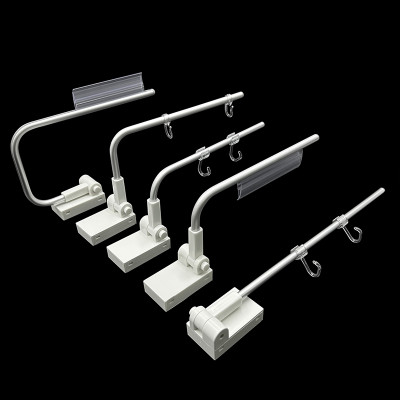
- Peg Hooks: For products that hang on peg hooks, the label is often placed on the fixture at the back of the hook or in a small holder on the hook itself. Visibility can be a challenge, so clear, high-contrast labels are essential.
- Freezer and Refrigerator Cases: The cold, potentially humid environment requires durable, moisture-resistant synthetic labels. For glass-door freezers, labels are often placed on the metal shelf edge inside the case, so they must be legible through the glass. Anti-glare finishes are beneficial here.
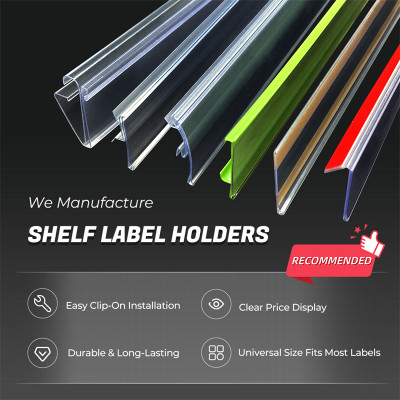
- Wire or Slatwall Shelving: These open-style shelves may not have a solid front edge for a traditional label holder. Unique solutions like clip-on holders, hanging tags, or adhesive labels applied directly to the product are necessary. Here, the internal link to Shelf Label Holders becomes highly relevant, as a wide variety of holders are designed specifically to adapt labels to these different fixture types.
By thoughtfully considering the physical environment, designers can ensure that shelf labels are not just well-designed in a vacuum, but are perfectly optimized for visibility and impact in their specific location within the store.
Implementing and Managing Shelf Label Systems for Optimal Performance
Even the most brilliantly designed shelf label is ineffective if it’s placed incorrectly, displays the wrong information, or is part of a disorganized system. Successful shelf labeling requires a strategic and systematic approach to implementation and ongoing management. From initial needs assessment to regular audits and integration with management software, a well-run system is the engine that powers an effective shelf-edge strategy, ensuring accuracy, efficiency, and a seamless experience for both customers and staff.
Strategic Implementation of Shelf Labeling Systems
Deploying a new or updated shelf labeling system is a significant operational undertaking. It requires careful planning that goes far beyond simply printing and placing tags. A strategic approach involves thoroughly assessing the store's unique needs, selecting the right technology to meet those needs, and designing clear workflows that ensure the system is used effectively and consistently by all team members. This foundational work is critical for achieving long-term success and maximizing the return on investment.
Assessing Needs and Identifying Assets for Shelf Labels
Before investing in any labeling hardware or software, the first step is a thorough assessment of the store's current situation and future goals. This involves understanding what, specifically, needs to be achieved and what assets need to be managed.
Defining Goals and Objectives: A clear understanding of the primary objectives will guide all subsequent decisions. Retailers should ask key questions:
- What are the main pain points with the current system? Is it high labor costs from manual price changes, frequent pricing errors, or poor inventory accuracy?
- What is the primary goal of the new system? Is it to reduce operational costs, enable dynamic pricing strategies, improve the customer experience, or all of the above?
- What is the budget for this project? This includes not just the upfront cost of labels and hardware, but also software, installation, training, and ongoing maintenance.
Identifying and Categorizing Assets: A comprehensive audit of all assets that need to be labeled is essential. Effective asset management begins with knowing exactly what you have and where it is. This process typically involves:
- Conducting an Asset Inventory: This is a physical count and cataloging of all items to be labeled. This process establishes a baseline of truth for the entire system.
- Categorizing Assets: Assets should be logically grouped. In a retail store, this includes not just the saleable inventory on the shelves but also extends to:
- Store Fixtures: Shelving units, display cases, and racks. Labeling these fixed assets helps in planogram management and maintenance tracking.
- Equipment: Point-of-sale (POS) systems, scanners, printers, and backroom machinery. Tagging these items is crucial for IT asset management and maintenance schedules.
- Warehouse and Stockroom Locations: Labeling aisles, racks, and bins in storage areas is fundamental for an efficient logistics and restocking workflow.
By first defining clear goals and then conducting a detailed asset inventory, a retailer can create a solid foundation upon which to build an effective and efficient labeling system. This initial planning phase ensures that the chosen technology and processes are perfectly aligned with the store's specific operational needs and financial realities.
Selecting the Right Shelf Label Technology
Once needs are assessed, the next crucial step is choosing the right technology. The choice between a traditional paper-based system and a modern digital one is a major strategic decision with long-term implications for cost, efficiency, and customer experience.
Comparing Paper vs. Digital Systems:
Traditional Paper/Barcode Labels:
- Pros: Low initial investment. The technology is simple, universally understood, and cost-effective for small-scale operations or stores with infrequent price changes.
- Cons: High long-term operational costs due to labor for manual updates, printing supplies, and the potential for costly human error. They offer no dynamic capabilities and limited space for information. They are also less environmentally friendly due to paper and ink consumption.
- Best for: Small, independent retailers with a limited number of products and a tight initial budget, or for specific use cases like temporary signage.
Digital Shelf Labels (ESLs):
- Pros: Drastically lower long-term operational costs by automating price changes and eliminating errors. Enables dynamic pricing, improves inventory accuracy, and enhances the customer experience with more information and features like "pick-to-light." More sustainable than paper.
- Cons: High initial investment in hardware, software, and integration. Requires a robust wireless infrastructure and can be complex to implement.
- Best for: Medium to large retailers, grocery stores, electronics stores, and any business with frequent price changes, a large number of SKUs, or a focus on operational efficiency and a modern customer experience.
Key Factors to Consider When Selecting an ESL System:
If a digital system is the chosen path, further evaluation is needed to select the best specific solution:
- Display Technology and Clarity: Will a simple, energy-efficient e-paper display suffice, or are vibrant, full-color LCD screens needed for marketing? The display must be easily readable under the store's specific lighting conditions.
- Battery Life and Durability: For battery-powered ESLs, a long lifespan (5+ years is standard) is crucial to minimize maintenance costs. The labels must also be durable enough for the retail environment, with options for freezer-rated or impact-resistant models.
- System Integration: How easily will the ESL system integrate with the store's existing Point of Sale (POS) and Enterprise Resource Planning (ERP) systems? Seamless integration is essential for automatic, error-free updates.
- Scalability: The system should be able to grow with the business. Can it easily be expanded to other departments or new store locations in the future?
- Total Cost of Ownership (TCO): Don't just look at the upfront price. A true TCO analysis should factor in the initial investment plus long-term savings in labor, materials, and reduced pricing errors. Many retailers find that ESL systems pay for themselves within 12-24 months.
- Vendor Support: Choose a reliable vendor that offers robust technical support, training, and ongoing software updates to ensure the system remains effective and secure over time.
By carefully weighing these factors against the initial needs assessment, a retailer can make an informed, strategic decision and choose the shelf label technology that best aligns with their operational goals and long-term vision.