Complete Supermarket Display Solutions for Modern Retail Chains | VIGO Display
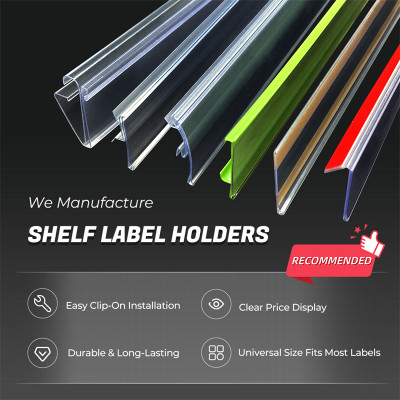
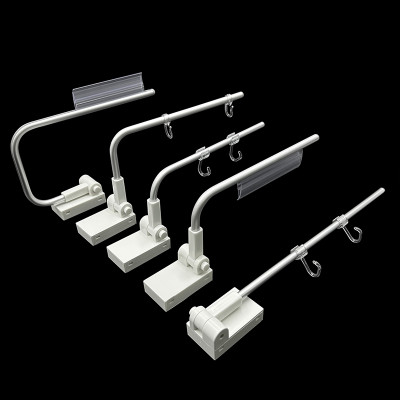
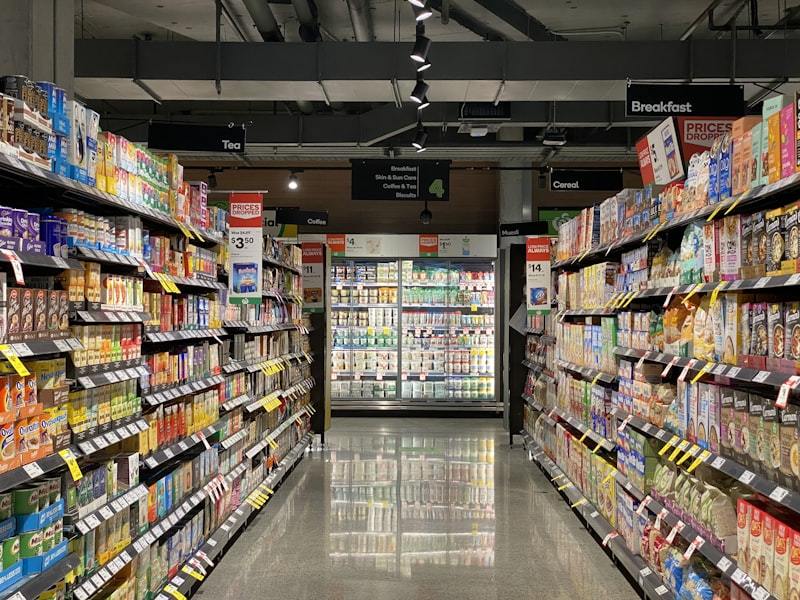
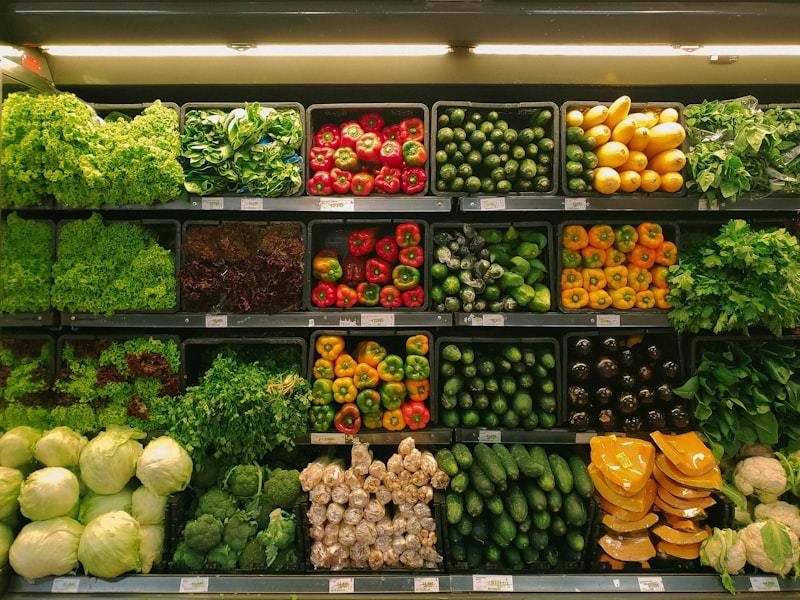
Modern retail chains face a growing challenge: balancing operational efficiency with an engaging in-store experience. As consumer expectations rise and competition intensifies, the physical presentation of merchandise has become a decisive factor in purchase behavior. Studies show that well-organized product displays can increase category sales by 15% to 30%, and nearly 70% of supermarket purchase decisions are made in-store rather than from a pre-planned shopping list. Supermarket display solutions encompass the complete ecosystem of fixtures, shelving systems, signage, and merchandising accessories that shape how products are presented to shoppers. These solutions are not merely functional storage — they are strategic tools that influence traffic flow, product visibility, brand perception, and ultimately, revenue per square foot. Whether you operate a single grocery store or a chain of 100+ retail outlets, the right display infrastructure directly impacts your bottom line. At VIGO DISPLAY, we have spent over 15 years designing and manufacturing display solutions for supermarkets, hypermarkets, convenience stores, and specialty retail chains across 50+ countries. This article breaks down the six core modules of a complete supermarket display system and explains how each contributes to operational excellence and sales growth. A complete supermarket display system is built on six interdependent modules. Each serves a distinct function, yet they work together to create a cohesive shopping environment that guides customers smoothly from entrance to checkout. Gondola shelving is the structural backbone of any supermarket aisle. Double-sided and single-sided gondola units create organized product zones with adjustable shelf heights, allowing retailers to accommodate everything from canned goods to bulky household items. Modern gondola systems support integrated accessories such as display hooks, shelf dividers, price tag clips, and sign holders — turning a basic shelf into a complete merchandising workstation. Key considerations when selecting gondola shelving include load-bearing capacity, powder-coating durability against daily wear, modular expandability, and compatibility with international retail planogram standards. Our gondola systems are manufactured from cold-rolled steel with electrostatic powder coating, offering corrosion resistance suitable for both ambient and refrigerated environments. Point-of-Purchase (POP) and Point-of-Sale (POS) displays are promotional fixtures strategically positioned to capture shopper attention and drive impulse purchases. POP displays — including floor stands, end-cap displays, countertop units, and dump bins — are placed within the shopping aisle to interrupt the browsing pattern and highlight featured products. POS displays, positioned at the checkout counter, target the final moments before payment when impulse-buying tendency peaks. The effectiveness of POP/POS displays depends on material quality, structural stability, ease of assembly by store staff, and visual impact. Corrugated displays offer cost-effective short-term campaigns, while metal and acrylic units provide durability for permanent merchandising programs. The most successful retail chains use a calibrated mix of both. The fresh produce section is consistently rated as the most important department influencing a shopper's choice of supermarket. Effective fresh food displays must balance visual abundance with practical concerns: proper ventilation to maintain freshness, sloped or tiered arrangements that maximize visibility, drainage systems for wet produce, and durable materials that withstand daily cleaning and moisture exposure. Our fresh produce display range includes multi-tier produce racks, angled display bins, plastic baskets in various depths, and sampling stations. All products are constructed from food-grade, rust-resistant materials and designed for quick assembly and reconfiguration to support seasonal merchandising rotations. The checkout lane is the highest-value real estate in any supermarket — measured by sales per square meter, it consistently outperforms every other area. Checkout displays, including lane dividers, countertop impulse fixtures, anti-theft pull boxes, coin trays, and stop locks, are precision-engineered to maximize throughput while capturing last-minute sales. Well-designed checkout dividers do more than separate customer orders. They incorporate advertising panels, brand messaging, and product display zones that generate incremental revenue. For chain stores processing thousands of transactions daily, even a 5% increase in checkout impulse purchases translates to significant annual revenue gains. Accurate, clearly visible pricing is both a legal requirement and a customer trust driver. The shelf-edge labeling system — including price tag clips, shelf label strips, sign holders, and ESL (Electronic Shelf Label) mounting hardware — ensures that price communication is consistent, professional, and easy to update across hundreds or thousands of SKUs. As more retailers adopt ESL technology for dynamic pricing, compatible hardware infrastructure becomes critical. We supply ESL shelf strips, mounting brackets, and rail systems compatible with all major ESL brands, along with traditional clip-on and slide-in price tag solutions. The transition from paper to digital can be phased gradually using universal mounting hardware that supports both formats. Shopping carts and hand baskets are often overlooked in display strategy discussions, yet they are the only fixtures that every customer physically interacts with. The size, maneuverability, and condition of shopping carts directly influence basket size — larger carts correlate with larger purchases. Hand baskets serve quick-trip shoppers and must be lightweight, stackable, and easy to sanitize. Our shopping cart and basket program covers standard trolleys, compact express carts, hand-held baskets, wheeled basket trolleys, and stackable crates. All products are available in multiple sizes and can be customized with brand colors and logo printing for a consistent store identity. Off-the-shelf display fixtures serve basic needs, but chain retailers operating across multiple locations and store formats gain decisive advantages from modular, customizable display systems. Here is why procurement managers increasingly prioritize modularity in their display specifications: A modular display system uses standardized components — uprights, shelves, brackets, hooks — that can be configured differently for a 200 m² convenience store, a 2,000 m² supermarket, or a 10,000 m² hypermarket. The same parts catalog serves all formats, simplifying procurement, reducing training overhead, and ensuring brand consistency across every location. Seasonal peaks — holiday promotions, back-to-school, summer beverages — require fast layout changes. Modular shelving and display units can be reconfigured by in-store staff without specialized tools, minimizing downtime and labor costs. Accessories like shelf pushers, gravity feed rollers, and clip-on sign holders attach and detach in seconds. Modular systems reduce long-term costs in three ways: individual components can be replaced rather than entire units; accessories and expansions use the same mounting standards, eliminating retrofit expenses; and bulk purchasing of standardized parts yields volume discounts. Over a 5- to 10-year lifecycle, modular display infrastructure typically costs 25-40% less than non-modular alternatives. Over the past two decades, China has become the world's dominant manufacturing hub for retail display fixtures. This shift is not primarily about cost — it is about manufacturing depth, material supply chains, and specialized expertise that no other single country can match at scale. China's metal processing, plastics, acrylic fabrication, and powder coating industries are geographically clustered, enabling display manufacturers to source raw materials, semi-finished components, and surface treatment services within a 50-kilometer radius. This integration reduces lead times by 30-50% compared to fragmented supply chains and ensures consistent quality across production batches. Leading Chinese display manufacturers maintain in-house engineering teams with expertise in sheet metal fabrication, injection molding, structural design, and international retail compliance standards. From a client's CAD drawing or rough concept sketch, an experienced factory can produce a functional prototype within 7-14 days and transition to volume production within 4-6 weeks — a speed-to-market that is difficult to replicate elsewhere. Reputable manufacturers hold internationally recognized certifications including ISO 9001 for quality management systems, and many also maintain BSCI or SEDEX social compliance audits. Third-party inspection services such as SGS, Bureau Veritas, and TÜV are routinely accommodated. Factory audit transparency — including virtual tours and on-site visits — has become standard practice among export-oriented suppliers. Display fixtures present unique shipping challenges: they are often bulky, consisting of both heavy metal components and fragile acrylic or glass elements. Experienced export manufacturers engineer packaging solutions that balance container utilization with damage prevention, and they manage documentation for customs clearance across diverse regulatory environments. Consolidated shipping programs for multi-country retail chains are a core competency. When procuring display fixtures for a retail chain, compliance with safety, durability, and accessibility standards is non-negotiable. Below are the key benchmarks that procurement professionals should verify: The supermarket industry is undergoing its most significant transformation in decades. Omnichannel retail, electronic shelf labels, smart shelving with inventory sensors, and sustainability-driven material choices are reshaping display infrastructure requirements. Forward-thinking procurement decisions today must account for these trends while delivering immediate operational improvements. A well-executed display strategy starts with selecting the right manufacturing partner — one that offers modular, customizable solutions across all six core modules, maintains internationally audited quality systems, and provides engineering support from concept through installation. For retail chain procurement managers evaluating display suppliers, the key differentiators are manufacturing depth, customization capability, compliance documentation, and after-sales support — not just unit pricing. A display system that reduces restocking labor by 15%, increases basket size through better product visibility, and lasts 8+ years with minimal maintenance delivers value that far exceeds any per-unit price comparison. Contact VIGO DISPLAY today for a free store layout consultation and custom quote. Our team of retail display specialists is ready to help you design a complete solution tailored to your chain's specific needs.What Are Supermarket Display Solutions and Why Do They Matter
Core Modules of a Supermarket Display System
Gondola Shelving Systems
POP and POS Displays
Fresh Produce Display Fixtures
Checkout Display and Lane Management
Price Tags, Labels, and ESL Systems
Shopping Carts and Baskets
The Business Case for Modular Customization
Scalable Across Store Formats
Rapid Reconfiguration for Seasonal Merchandising
Lower Total Cost of Ownership
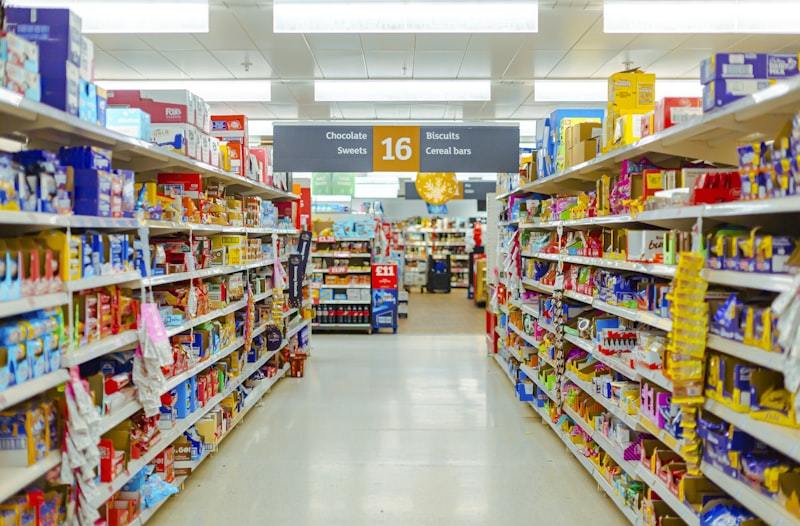
Why Global Retail Chains Source Display Solutions from China
Integrated Supply Chain
OEM and ODM Engineering Depth
Quality Certifications and Audit Readiness
Export Logistics Expertise
Industry Standards and Compliance for Supermarket Displays
Standard / Criterion
Applies To
What to Verify
Load Capacity Rating
Gondola shelving, wall shelving, display hooks
Manufacturer-specified kg/shelf rating with safety factor; request test certificates for your heaviest planned product category
Surface Finish Durability
All metal fixtures
Salt spray test hours (ASTM B117); minimum 72 hours for indoor retail, 200+ hours for refrigerated or outdoor environments
Fire Safety
Corrugated displays, plastic components
Flame retardant certification for temporary POP displays; relevant EN or ASTM fire standards as required by destination market
ADA / Accessibility
Floor displays, aisle fixtures
Minimum aisle width compliance; reach-range requirements for shelf heights; protruding object limits for wall-mounted fixtures
Food Contact Safety
Fresh produce displays, bakery fixtures
Food-grade materials certification; migration testing for plastic components in direct food contact applications
Structural Stability
Freestanding displays, tall gondola units
Tip-over resistance testing; seismic anchoring options for earthquake-prone regions; base plate and leveling foot specifications
Building a Future-Ready Supermarket Display Strategy
Ready to Upgrade Your Supermarket Display System?